
The Ultimate Guide to Identifying Dog Injuries

Dog Injuries article header

Novenber 21, 2023

Dogs, often referred to as “A Man’s Best Friend,” are among the most precious animals in the world.

Their incredible and unique characteristics, sizes, and temperaments, with a diverse range of breeds, have become an integral part of many household. They enrich the lives of their human companions in countless ways through their unwavering loyalty, boundless energy, and diverse personalities.

For new dog owners, establishing a special bond with their furry companions is a heart-warming experience. Witnessing a pet in pain can be particularly challenging, especially when the owner is unfamiliar with common injuries that the dog may face.

This comprehensive guide is designed to assist new dog owners in identifying and addressing various injuries that their pets might encounter.

Common Dog Injuries

Pet dogs can face a variety of injuries. Some common injuries may include:

  • Cuts and Abrasions - Dogs are energetic and sporty animals. They likely get cuts or abrasions from various sources, such as rough surfaces, sharp objects, or even while playing with other dogs.
  • Sprains and Strains - Dogs may experience sprains and strains in their muscles or joints due to excessive activity or awkward movements, which is usually noticeable when they limp or show hesitation in moving.
  • Fractures - Dogs may sustain broken bones or fractures due to accidents, falls, or trauma, with indications such as limping, pain, or an unusual limb position.
  • Bites and Scratches - Dogs can get injuries from interactions with other animals, encounters with insects, or even accidental scratches during play, which may need attention and care.
  • Dental Injuries - Issues with teeth can bring about pain and discomfort for dogs, such as broken teeth, gum infections, or periodontal disease.
  • Eye Injuries - Objects, scratches, or injuries can result in eye issues for dogs, showing symptoms like squinting, tearing, or redness.
  • Spinal Injury - Dogs can get spinal injuries from accidents, aging, disc problems, infections, tumors, or being born with certain issues.
  • Torn Toenail - Dogs can hurt their toenails if the nail gets partly or completely ripped. This can happen if the nail catches on something sharp or if the dog scratches a lot.
  • Tail Injury - Dogs can get injuries on their tails from different causes, like accidents, trauma, or too much biting or chewing.
  • Insect Bites and Stings - Bee stings, spider bites, or responses to insect bites can result in swelling, pain, and allergic reactions in dogs.
  • Foreign Body Ingestion - Certain items may accidentally be swallowed by a dog that is not meant to be ingested. This may cause mild discomfort or severe problems inside the dog’s ingestion system or lead to an internal injury.

Infographic on how to treat paw injuries in dogs

How Can You Tell a Dog is Injured?

External injuries such as scratches, cuts, or stings can be easily recognized. However, identifying internal injuries, particularly non-visible injuries like sprains and fractures, involves observing their behaviour and noting any indications of distress.

Look for the following signs:

  • Limping Or Favouring A Limb - If a dog is subject to a sprain or a fracture, they may limp, favor one leg, or hesitate to put weight on a particular limb.
  • Reluctance To Move Or Play - Dogs may show hesitation or reluctance in engaging in activities they usually enjoy, such as playing or running, if they are injured.
  • Changes In Behaviour - Increased irritability, restlessness, or indications of discomfort in your dog’s behavior also point out that they are not doing well physically.
  • Whimpering Or Vocalization - Notice any unusual sounds, especially during a movement. It is a way of dogs vocalizing, whimpering, or yelping in response to pain.
  • Swelling Or Discoloration - Injuries can also be checked if there is an indication of swelling, bruising, or discoloration around joints or limbs.
  • Guarding Or Protecting An Area - As an injury may be sensitive to touch, dogs may instinctively protect an injured area by guarding it.
  • Abnormal Posture - Pay attention to your dog’s body posture. If there is an unusual stance or a hesitancy to take certain positions, it could indicate discomfort.
  • Changes In Appetite - Injuries may occasionally result in a loss of appetite. Keep an eye on your dog’s eating behaviour for notable alterations.
  • Excessive Grooming - Excessive licking, biting, or grooming of an injured area in dogs may indicate discomfort or an effort to alleviate pain.
  • Restlessness Or Pacing - A dog that is injured might display restlessness, pacing, or difficulty finding a comfortable position when lying down.
  • Changes In Interaction - Pay attention to shifts in your dog’s social behaviour. An injured dog could become more reserved or show reduced interest in interacting with people or pets.
  • Temperature Changes - A noticeable alteration in body temperature, whether it feels warmer or colder than usual, may signal an underlying issue.

Dog refusing to eat a meal being held out by their owner

When To See A Vet?

Seeking veterinary advice is crucial when your dog displays signs of illness, injury, or any worrisome changes in behaviour.

If you observe symptoms like limping, lethargy, alterations in appetite, difficulty breathing, or any unusual behaviour, it is recommended to consult a professional veterinarian promptly.

Regular check-ups play a vital role in preventative care, contributing to your dog’s overall health.

If you are uncertain about your dog’s well-being, reaching out to a vet for guidance is always a good choice.

Conclusion

Pet owners need to be aware of common injuries, how to recognize if their pet is facing discomfort or an injury, and when they should seek medical advice from a vet.

Regular check-ups and a pet-friendly environment can contribute to preventing some injuries and ensuring the overall well-being of your furry friend.

SimilarArticle Like This

Keeping Pets Health
Keeping Pets Healthy

November 22, 2023

Pets

We all know that our fur babies are as much a part of the family as anyone else, and their health is of utmost importance. To help you keep your pets in top-notch shape, we've put together an informative guide about some common diseases that can affect all of our four-legged friends in Australia.
Full Article
CPR Cats article header
CPR for Cats

November 17, 2023

Pets

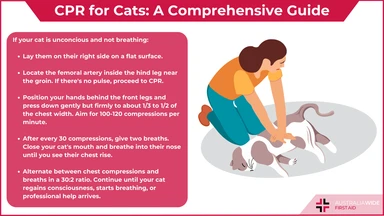
CPR is a life-saving technique that can make a critical difference when it comes to the well-being of your feline friend. In this comprehensive guide, we will explore the world of CPR for cats, delving into when it might be necessary, what signs to look for, how to perform CPR effectively, and the crucial importance of seeking immediate veterinary help.
Full Article
Canine Distemper article header
Canine Distemper

November 8, 2023

Pets

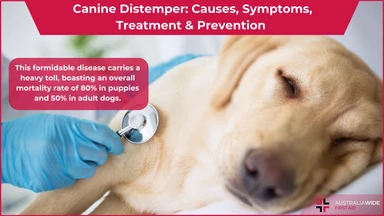
Read this guide for everything you need to know about canine distemper, including causes, symptoms, treatment options, and vaccination schedule.

Full Article