

Pet First Aid: How to Treat Poisoning in Dogs

Poisoning in dogs is common because dogs explore and discern using their mouths. Many substances, like antifreeze, have a sweet taste that appeals to dogs.
Knowing how to identify and treat your dog in the case of poisoning can save his life. Acting quickly is the key to recovery. The longer a substance remains in your dog’s stomach or skin, the more dangerous the situation.
Most dogs recover from poisoning using first aid techniques and evaluation from veterinarians.

Most manufactured substances can be toxic to animals if consumed in significant quantities. But some are more toxic than others. Additionally, some natural substances and plants can be harmful. Below is a list of common poisonous substances for dogs:
We run certified First Aid courses throughout all major Australia citys. Find a location near you.
The signs of poisoning in dogs are consistent. If you note the following symptoms in your dog and see evidence of rubbish or leftover poisonous substances, act immediately:
It is best practice to speak to a veterinarian or poison control specialist before inducing vomiting because sometimes it can be harmful. However, early vomiting is often a critical factor in recovery.
If you are unable to reach a credible source for guidance and your dog is exhibiting signs of poisoning, induce vomiting using the following:
Do not induce vomiting if:
Treatment for poisoning may involve first-line treatment at home followed by a visit to the veterinarian for a comprehensive workup, targeted therapy for the specific toxin, and monitoring.
In the office, your veterinarian might offer the following clinical treatments:
Obtain professional help. A licensed veterinarian can differentiate between different types of poisoning to provide the best treatment.
Keep household cleaners and food safely stored away. Larger breeds like Labrador Retrievers are especially prone to poisoning because they are more likely to explore substances through their mouth.
Keep hydrogen peroxide on hand if travelling outdoors or camping where toxic substances might be present.
Though some poisonings can be fatal, most are not fatal except in the cases of incredibly toxic substances or ingested in large quantities. A veterinarian or poison control center can guide you on whether or not to treat at home. It is best practice to have a professional evaluate your pet after completing treatment at home.
Poisoning can be a scary event for both the pet and the pet owner. But taking steps to learn first aid skills helps to keep your pet safe.
Check out the Australia Wide article library for more pet first aid resources.
Articles you may find helpful include:
November 4, 2022
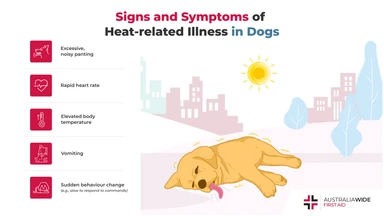
Like humans, dogs can experience heat-related illness, including heat stroke. Every pet owner should know how to keep their dog cool. Without prompt treatment, heat-related illness in dogs can lead to organ damage.
November 3, 2022
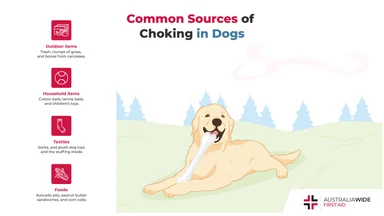
Dogs often use their mouths to navigate and understand their surrounding environment. This can lead to partial or complete choking episodes, which can result in serious injury or death if left untreated.
September 30, 2022
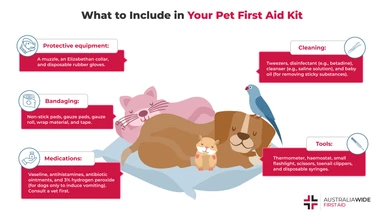
Pets can sustain injuries or become ill anywhere and at any time. However, while waiting for professional help, you can manage your pet's condition and promote their comfort with a pet first aid kit. Here is how to build a comprehensive first aid kit for pets.