

How to Remove Ticks

Paralysis ticks are not easily dismissed. They are a danger to any host they attach themselves to.
Paralysis ticks usually inflict themselves on unsuspecting animals - native Australian species, mainly. However, they are also a sucker for any livestock, domestic pets, and humans that cross their path. As an estimated 20,000 domestic animals are paralysed every year from tick bites, tick prevention is a big deal in Australia. In fact, when pets succumb to a tick's toxins, their owners can pay as much as $5,000 for veterinary care.
Tick prevention is just as important for humans as it is for animals, as many of us experience allergic reactions from ticks. Reactions range from mild itching and localised swelling to life-threatening anaphylaxis. Tick bites can also transmit infections like Lyme Disease, the symptoms for which can include fever, fatigue, and muscle and joint aches.
Although paralysis ticks can be found all year round, the peak season is Spring and Summer, when warm weather combines with periods of rain. At these times, you should make sure tick checks and tick bite prevention are part of your routine whenever you're outdoors — gardening, bush-walking, camping, etc. Paralysis ticks are generally prevalent in moist, humid environments, such as grassy and wooded areas. They are especially common in wet forests and temperate rainforests and can often be found among trees, logs, leafy debris, and uncontrolled vegetation.
Allergic reaction is the most serious medical condition associated with ticks. This is also true for many other insect bites.
These reactions can range from mild itching with localised swelling and pain, to severe and life-threatening anaphylaxis. Even without the tick being on a person for an extended length of time, a severe allergic reaction can still occur.

Other than avoiding the areas mentioned above, here are a few methods to stay out of harm's way:
In tick season, it's wise to check your body for ticks after being outdoors, including familiar environments, even in your own backyard.
Ticks tend to bury themselves in the following areas of the body:
Clothing can also be a carrier of ticks. Placing your clothing in a clothes dryer on high heat will effectively kill ticks.
Due to the risk of anaphylaxis, removal of ticks by force is no longer recommended by the Australian Resuscitation Council. The below steps are recommended, instead:
After the tick is removed, thoroughly clean the bite area and your hands with rubbing alcohol, an iodine scrub, or soap and water. If you experience any difficulty removing the entire tick, Australia Wide First Aid recommends that you seek immediate medical attention. Allergic reactions to tick bites, or any insect bites for that matter, can be very serious.
Even once the tick has been removed from the casualty, they should seek medical advice from a doctor or hospital for further treatment. Further information about Tick-induced allergies can be found on the Tick-induced Allergies Research and Awareness (TiARA) site.
It is normal for the tick bite to remain itchy for a few weeks after the initial tick bite. However, if any other symptoms persist, please seek immediate medical attention.
November 19, 2021
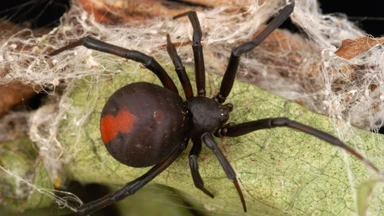
Australia is home to some of the world's most venomous spiders. Spider bites can cause serious illness and even death due to the toxicity of the venom and by triggering anaphylaxis. Should your condition begin to deteriorate, contact a medical facility immediately.
April 10, 2019
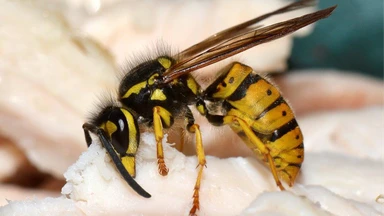
Around 33% of Australian hospital admissions are for bee or wasp stings. These stings account for more than twice the number of hospital admissions for snake bites, and cause almost the same number of deaths.
October 2, 2013
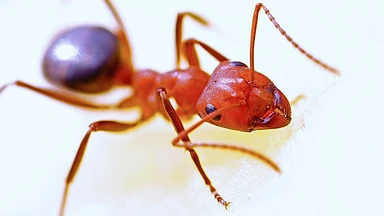
Found throughout south east Queensland, Fire ants are renowned for their aggressive nature and painful sting. They are particularly dangerous to those with allergies, as they tend to swarm and sting all at once.