

How to Save a Choking Baby

Every parent knows that keeping their child safe is a top priority. From baby-proofing the house to choosing the right car seat, we take countless measures to ensure our little ones are protected.
Yet, there are moments when danger can strike unexpectedly, and one of the most harrowing experiences any parent can face is watching their baby choke.
Choking is a frightening situation that demands immediate action. Babies are particularly vulnerable to choking hazards.
In such a critical moment, knowing how to react can be the difference between a minor scare and a life-threatening emergency.
In the following sections, we will walk you through the steps to recognize when a baby is choking, the do's and don'ts of responding to a choking infant, and how to perform life-saving techniques such as infant CPR and back blows.
It can be easy to confuse choking and gagging, especially in babies and toddlers. It can be difficult to distinguish between the two, particularly when baby is beginning to eat solids.
Gagging is a natural reflex, and works to prevent objects entering the airways. Your baby may cough, splutter, retch, and turn red in the face. They may even vomit with the force of gagging. All of this is perfectly normal and natural, and is the body’s way of learning how to deal with food.
Choking occurs when something is partially or entirely blocking the airway. This could be curdled milk, food, toys, or other objects. It can happen during or after gagging, but it can also happen all of a sudden with no warning signs.
Choking is characterised by silence, or a whistling sound when the baby breathes.
They will often look scared, but won’t be able to properly cough, splutter, or cry.
If the blockage remains, they will lose access to oxygen. Their face may change colour to be quite pale, and they may start to turn blue or purple. This will be most noticeable around the lips.
Eventually, they will lose consciousness.
If your baby is choking, regardless of the cause, there are steps to take to save their life.
There are some common mistakes that are made when a baby is choking. Avoiding these mistakes will reduce the risk of making the situation worse.
Arming yourself with the knowledge and skills to effectively deal with choking is priceless.
While reading guides like this and watching videos online is certainly helpful, we strongly recommend all parents-to-be and new parents complete a CPR and first aid course.
Nothing beats hands-on practice for this sort of thing, where you can practice the techniques on infant and child manikins. This is done under the watchful eye of our incredible trainers, to help you ensure you have the confidence to act should a situation arise.
CPR and first aid techniques vary based on the age of the child, so keeping your skills up to date is important.
We recently saw news from the US of a police officer saving a choking baby during a traffic stop. If the parents had the knowledge and skills to act, they could have saved the child themselves.
Book in your first aid or CPR course today to give yourself and your loved ones the peace of mind from acquiring the skills to save lives.
For further information and advice, book yourself in for a course with us today.
We also have the following articles worth a read:
Download our chart:
September 4, 2023
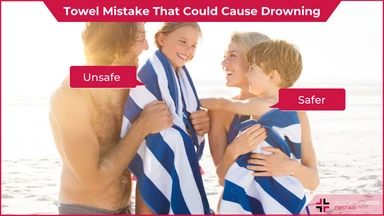
With the weather warming up, many people are heading back to the water. There is, however, one common thing that many people do which is putting your child’s life in danger.

August 18, 2023
Within your own home, there is a surprising amount of dangerous chemicals that can cause severe damage to your health if you lack the knowledge of identifying and treating them. This article will provide an understanding of common household acids, their symptoms when they come into contact with the skin, appropriate first aid treatment, and when to seek medical assistance.
August 14, 2023
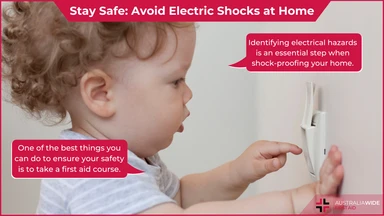
Electric shocks can be dangerous and even deadly. Knowing how to identify electrical hazards, understanding home electrical safety tips, preparing for electrical emergencies, and taking a first aid course to help deal with electric shock injuries can help you shock-proof your home.