

Common Winter Injuries to Watch Out For

Winter in Australia is as varied as you can get. Some areas have heavy snowfall, some are below freezing for weeks on end, and some are still bright and sunny and ever so slightly less warm than usual.
With the change of season comes a change of hazards and common injuries. Here we take a look at some of the most common winter injuries in Australia, and how first aid can help.
During winter months, slips and falls are some of the most common causes of injuries to Australians of all ages.
The ground can be slippery and icy, especially in areas with very low temperatures. Without proper footwear, it is very common to slip and fall.
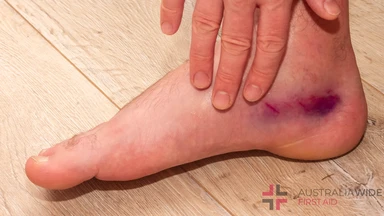
Slips and falls during winter can cause mild to life-threatening injuries:

For areas where snowfall occurs in Australia, the risk of injury is greater.
Shovelling snow is hard – while snow may look soft and fluffy, it is incredibly heavy. The repetitive movement can cause strain on the body, and combined with the weight of the snow and twisting motions, can cause a range of injuries:
A whole host of injuries can occur when playing in the snow, regardless of your age and fitness level. If you live in a snowy area or are planning a snow trip, read about How To Stay Safe At The Snow.
Dehydration during winter months is an often-overlooked hazard.
When the temperatures are lower, people don’t feel as thirsty, and as a result don’t drink as much as they would during warmer months.
Sweating, surprisingly, can occur just as much in winter as it can in summer. Extra exertion for activities, combined with extra layers of clothing, means you could be sweating more than usual. The sweat can then evaporate quickly in the colder, dryer air, so you may not even notice this contribution to dehydration.
You also lose water vapour through your breath – that’s the little clouds you can see when you exhale in cold air.

Staying warm is no joke in winter, and it is something to be vigilant about.
Burn injuries can increase during colder months, as people are looking to keep their body temperature in a comfortable state. They will turn on their heaters, stoke up their fireplaces, and huddle close to bonfires.
Sunburn can and does occur during winter, particularly on clear days in snowy areas. Sunscreen should still be worn, along with sun-protective clothing.
Ice burns can occur when skin is exposed to extremely cold objects and is damaged. Prolonged exposure can result in frostbite, where the cells in the tissues become frozen. If you suspect an ice burn, you can treat this by soaking the limbs in warm water; if you suspect frostbite, seek urgent medical attention.
Winter can bring fog, frost, snow and ice to the roadways of Australia, a potentially deadly combination of driving hazards.
Visibility on the road can be significantly impacted by fog and snow. This of course makes it more difficult to see obstacles such as other cars, motorbikes, people and animals. It also makes it harder to judge distances, which is why it is important to slow down a little when driving in foggy or snowy conditions.
Ice, particularly black ice, reduces the grip that your tyres have on the road, meaning you are more likely to drift and slide. If you do end up losing control over a patch of ice, the best course of action is to release the breaks and turn your wheels gently in the direction the back of your car is going. Once you have slowed down enough, you can gently ease on the breaks and regain control.
Remember to always drive to conditions: slow down, put your lights on (fog lights if appropriate), and make sure your tires are equipped for the environment you drive in.
Treating injuries in winter can pose different challenges than treating injuries in warmer months.
Keeping the injured person and yourself warm are equally important, especially if the accident occurs outdoors. If it is safe to do so, move out of the cold air and winds, and take cover from snow and rain.
Keep in mind that dehydration can be an unseen danger in winter, and that everyone needs to stay hydrated as best you can.
Follow DRSABCD for any incidences you come across, and book in now if your first aid and CPR training needs a refresher!

May 18, 2023
Learn about the causes, symptoms, and recovery tips for neck strains. Neck pain is a common problem that affects many people and can be caused by various reasons. Neck strains, which occur when the muscles and ligaments in the neck are stretched or torn, are a frequent cause of neck pain. Discover the root causes of neck strains, such as poor posture, overuse, or sudden movements, and identify the best approach for treatment. Recognising the symptoms of neck strains can help you prevent them and manage them efficiently.

May 16, 2023
Learn about Repetitive Strain Injury (RSI) caused by overuse of certain muscles and tendons resulting in chronic pain, discomfort, and decreased quality of life. Understand the symptoms, causes, and treatment options available for RSI, including rest, physical therapy, stress management, and ergonomic adjustments. Discover the differences between tendonitis and bursitis, two types of RSI affecting different areas of the body, and find out how to prevent RSI by taking frequent breaks, maintaining proper posture, and managing stress.
May 15, 2023
Learn about the causes and common areas for soft tissue injuries in sports. From knee sprains to shoulder strains, these injuries can range from mild to severe, causing pain, swelling, and difficulty moving. Find out how to prevent and treat these injuries to get back in the game.